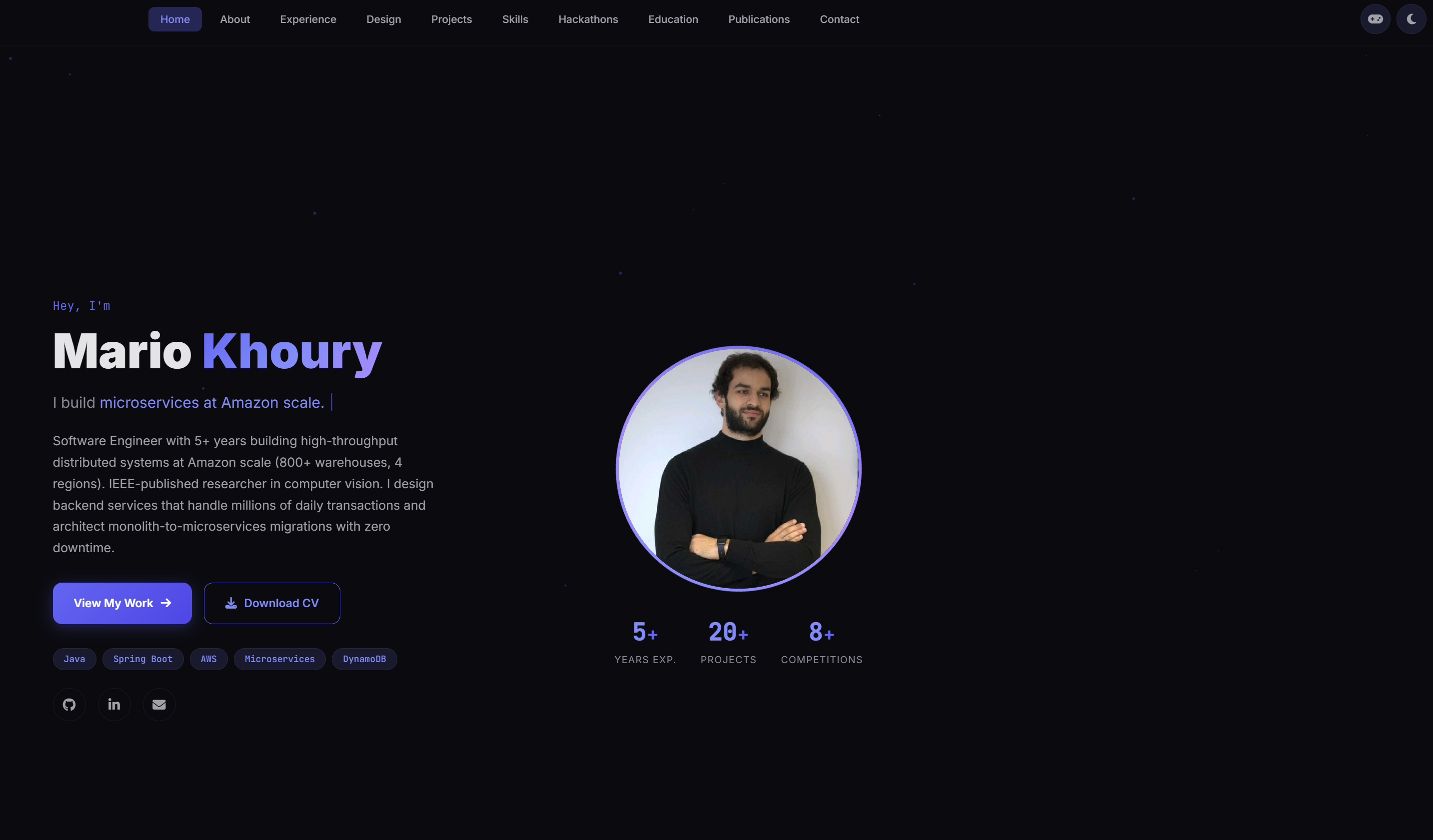
Hey, I'm
Software Engineer with 5+ years building high-throughput distributed systems at Amazon scale (800+ warehouses, 4 regions). IEEE-published researcher in computer vision. I design backend services that handle millions of daily transactions and architect monolith-to-microservices migrations with zero downtime.
I wrote my first program at 14 — a Hangman game on a Casio calculator during math class. That spark turned into a career that's taken me from Beirut to Munich to Luxembourg, building everything from mission-critical warehouse systems serving 800+ fulfillment centers to synthetic datasets with NVIDIA that pushed the boundaries of industrial computer vision.
When I'm not coding, I'm probably on a bike somewhere in Europe. I've cycled from Croatia through Bosnia and Slovenia into Italy, and from Portugal across Spain. I'm also a regular hiker — Olperer Hütte and Seebensee in the Austrian Alps are hard to beat.
On the technical side, I specialize in system design — from high-level architecture and API contracts to low-level data modeling and migration strategies. I've authored 6+ design documents reviewed with principal engineers, covering systems that handle millions of daily transactions across multiple regions.
I've authored 6+ high-level and low-level design documents, all reviewed with senior SDEs and principal engineers. Here are the architectural patterns I've designed for production systems — described at a public-safe abstraction level.
Architected the decomposition of a 15-year-old monolithic WMS into 10+ domain-bounded microservices. Designed a dual-run migration strategy where old and new systems operate in parallel — enabling gradual warehouse cutover with zero downtime while maintaining feature parity across both systems.
Designed the full task and work lifecycle — from creation through assignment, execution, and completion — using event-driven architecture across 200+ interconnected components. The core challenge was mapping dependencies between services and ensuring reliable event delivery at scale.
Designed RESTful API services supporting 3 tenants across 800+ warehouses with tenant-scoped data isolation. Co-designed the domain-based sharding strategy, sizing shard counts based on expected requests/sec and data volume per domain. Implemented API versioning for backward-compatible schema evolution.
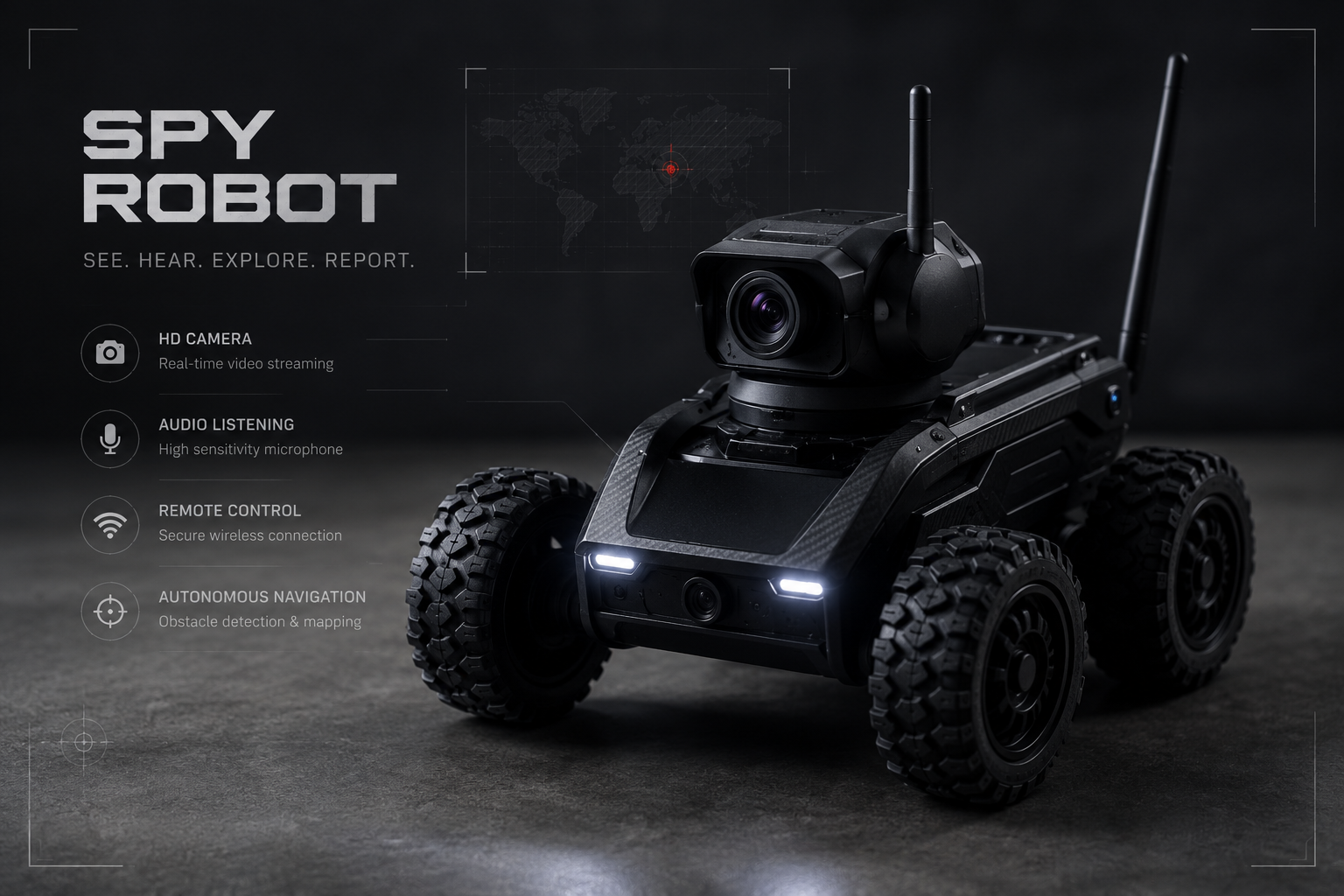
University team project (scored 18/20). I handled the AI and Raspberry Pi programming — implemented A* pathfinding so the robot could navigate from point A to B while avoiding obstacles in real time. The hardest part was getting collision avoidance to work reliably with the pathfinding algorithm. Includes live camera streaming for remote monitoring.
A personal challenge: how many followers can a fully automated bot grow from zero? Built auto-liking, commenting, following, saved post downloading, and scheduled uploads at randomized times. Result: 3K followers and 248 posts on @smirqyp — all without touching the app.
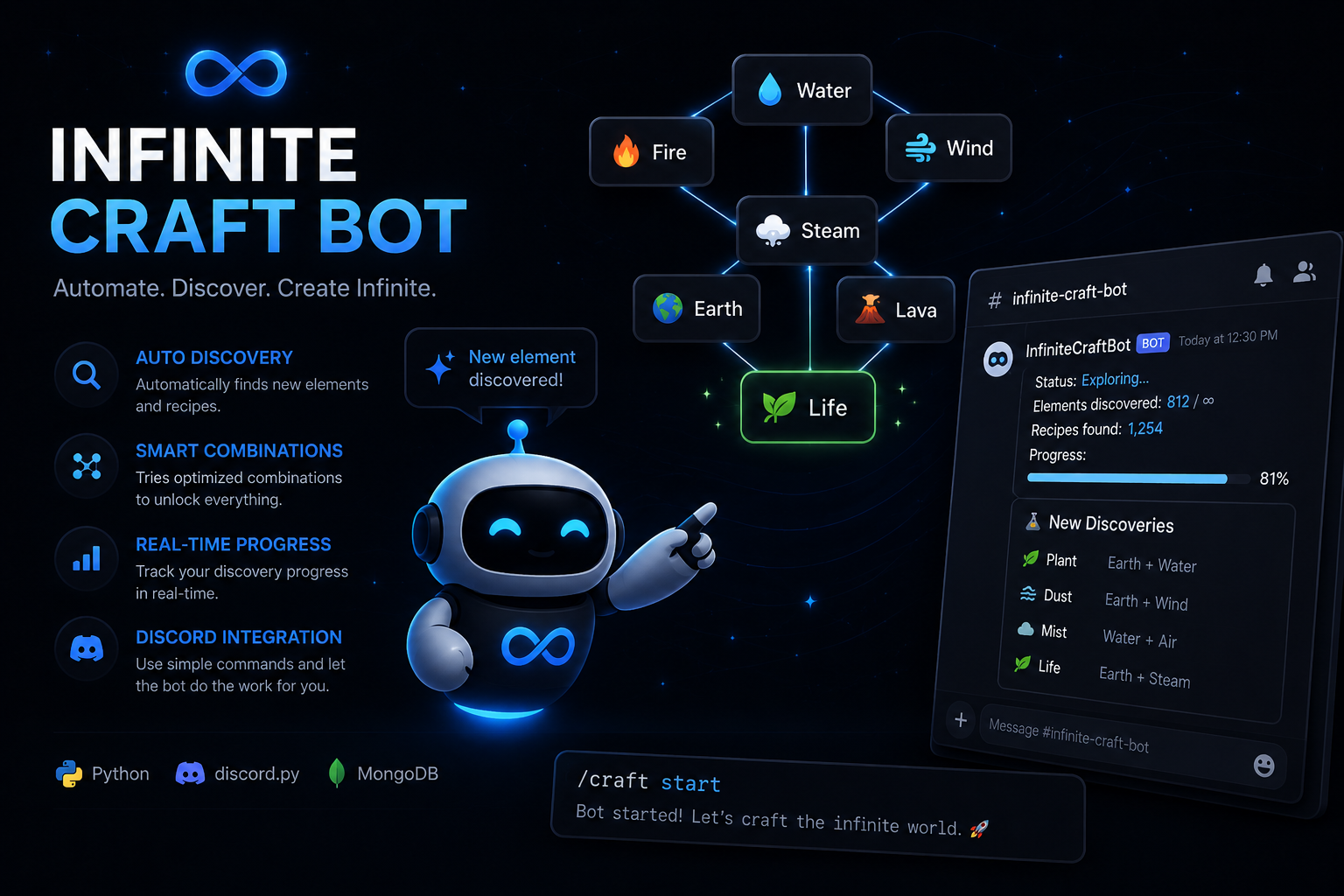
I loved the game's concept but wanted to see how far a bot could push it. Built an automated player that combines elements, discovers new ones, and persists everything to a database. Left it running overnight — woke up to 10,000+ unique crafts discovered.
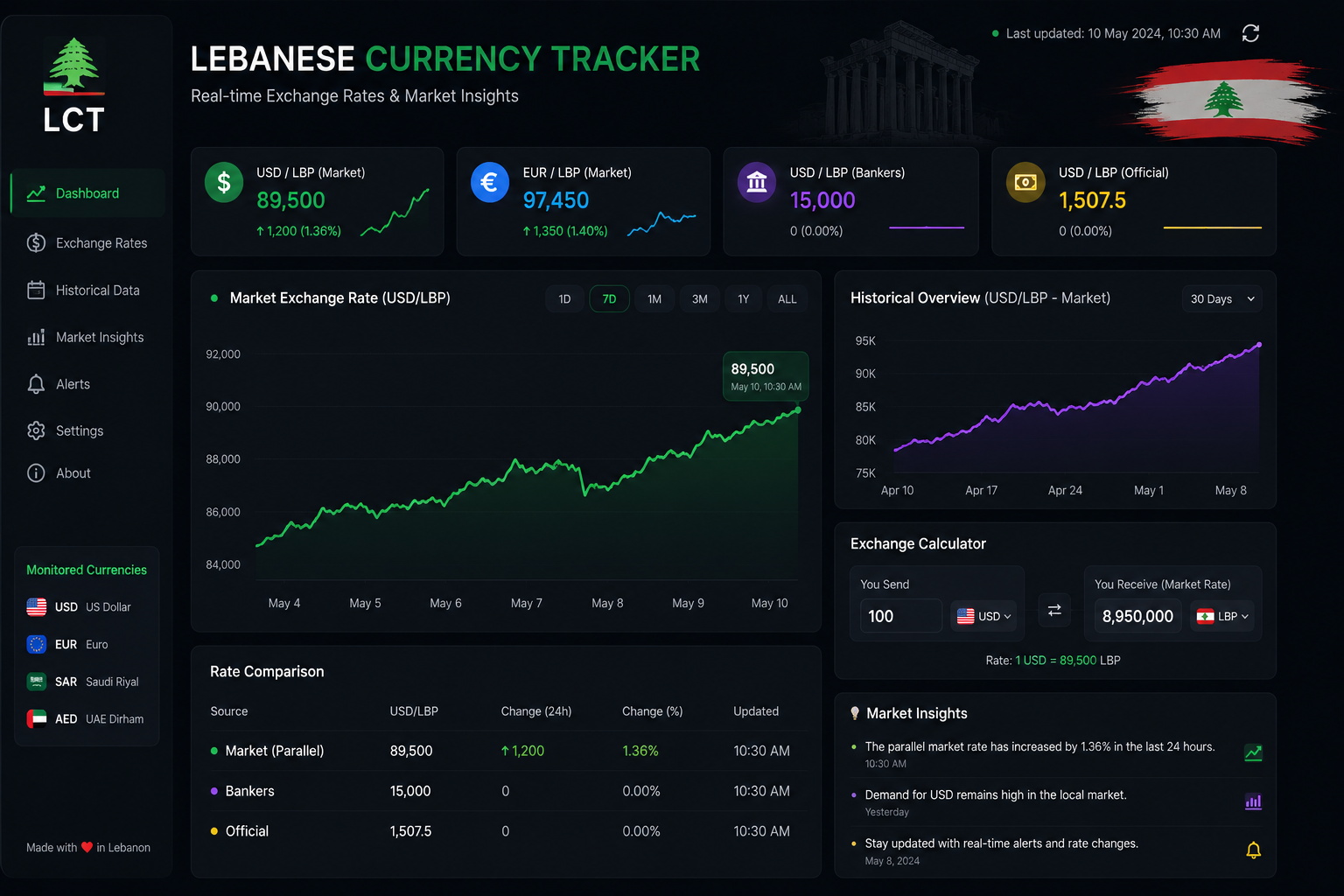
Built out of necessity. During Lebanon's economic collapse (the currency crashed from 1,500 to 110,000 LL/$), I was living in Germany and needed to track exchange rates to know when to send money home. Scrapes live rates and sends email + WhatsApp alerts on price swings.
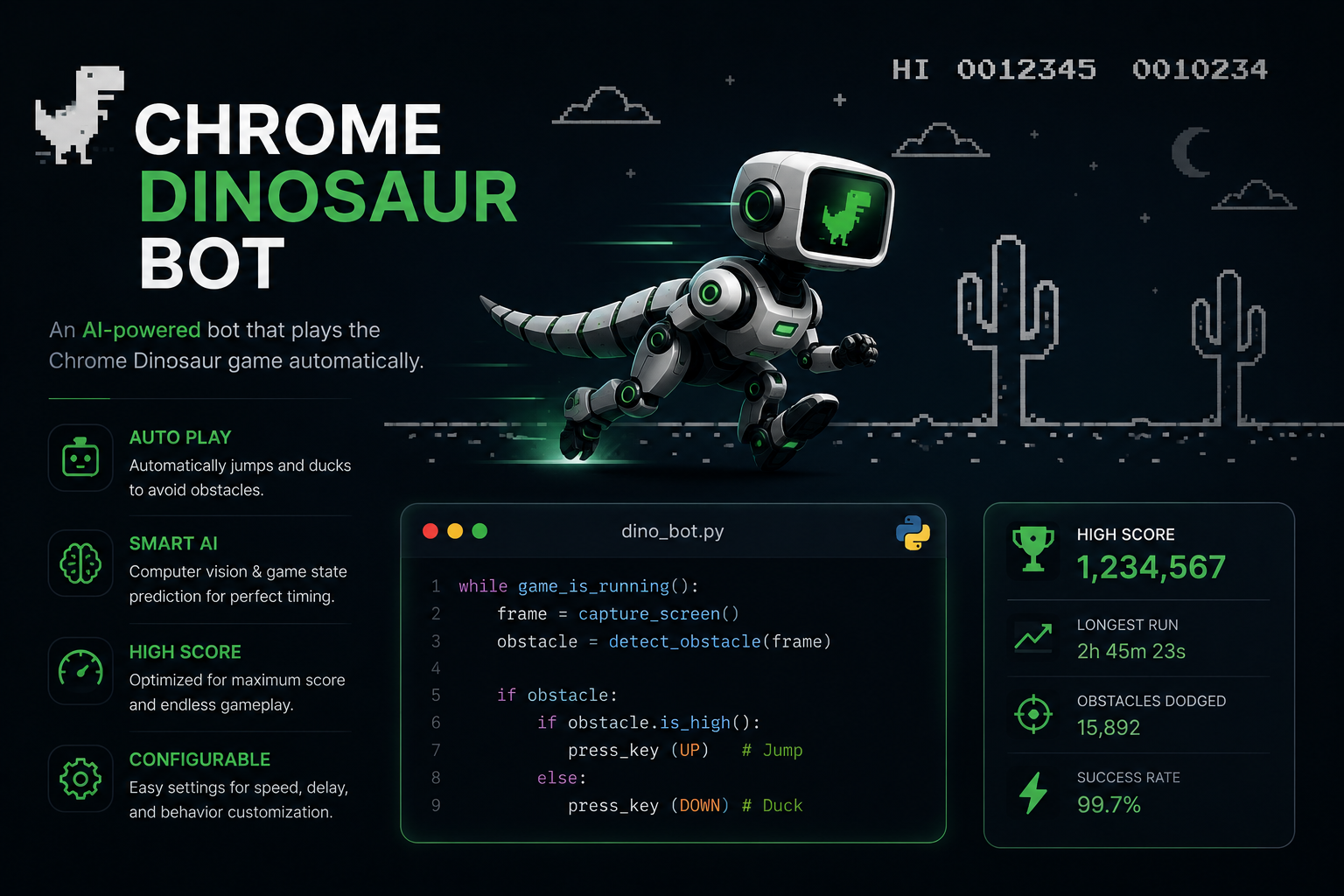
Plays Chrome's offline dinosaur game autonomously using pixel recognition to detect obstacles and trigger jumps/ducks in real time via OpenCV.
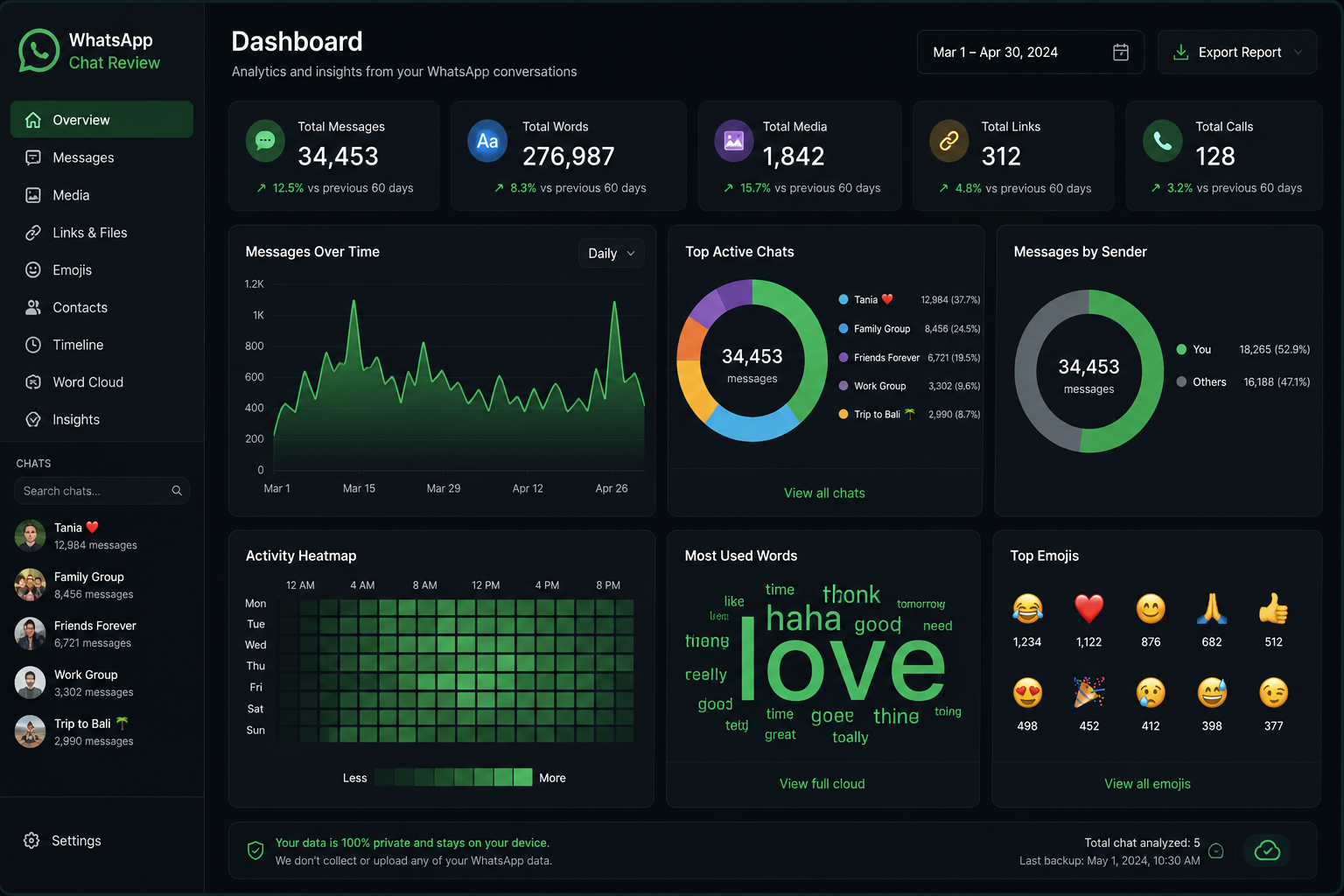
Built for fun — I like numbers. Analyzes exported WhatsApp group chats to find out who messages the most, the most-used words (turns out "yalla" dominates every Lebanese group chat), emoji stats, link counts, and activity patterns. Visual dashboards make the data easy to explore.
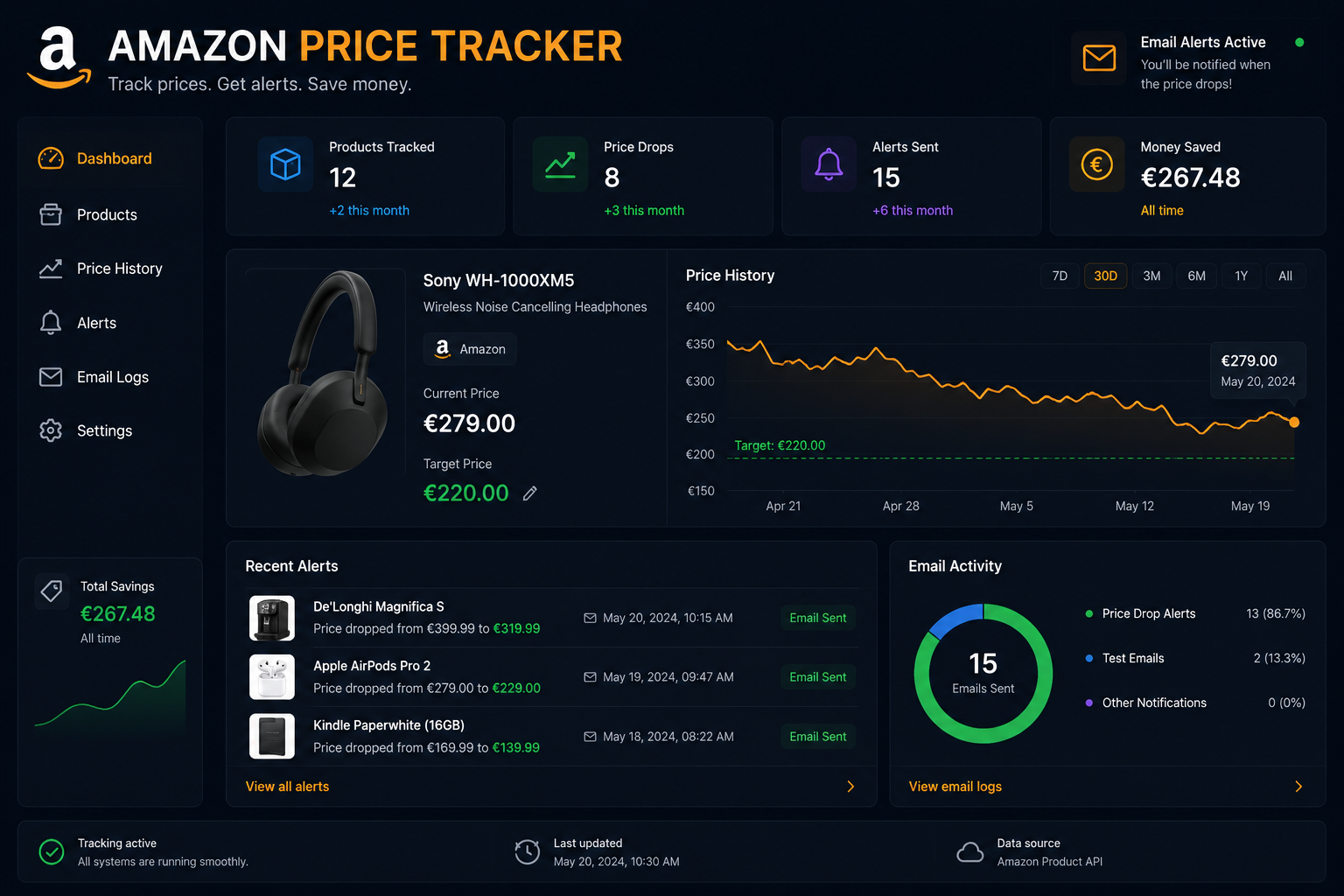
Monitors product prices on Amazon and sends email alerts when a price drops below your target threshold. Set it and forget it.
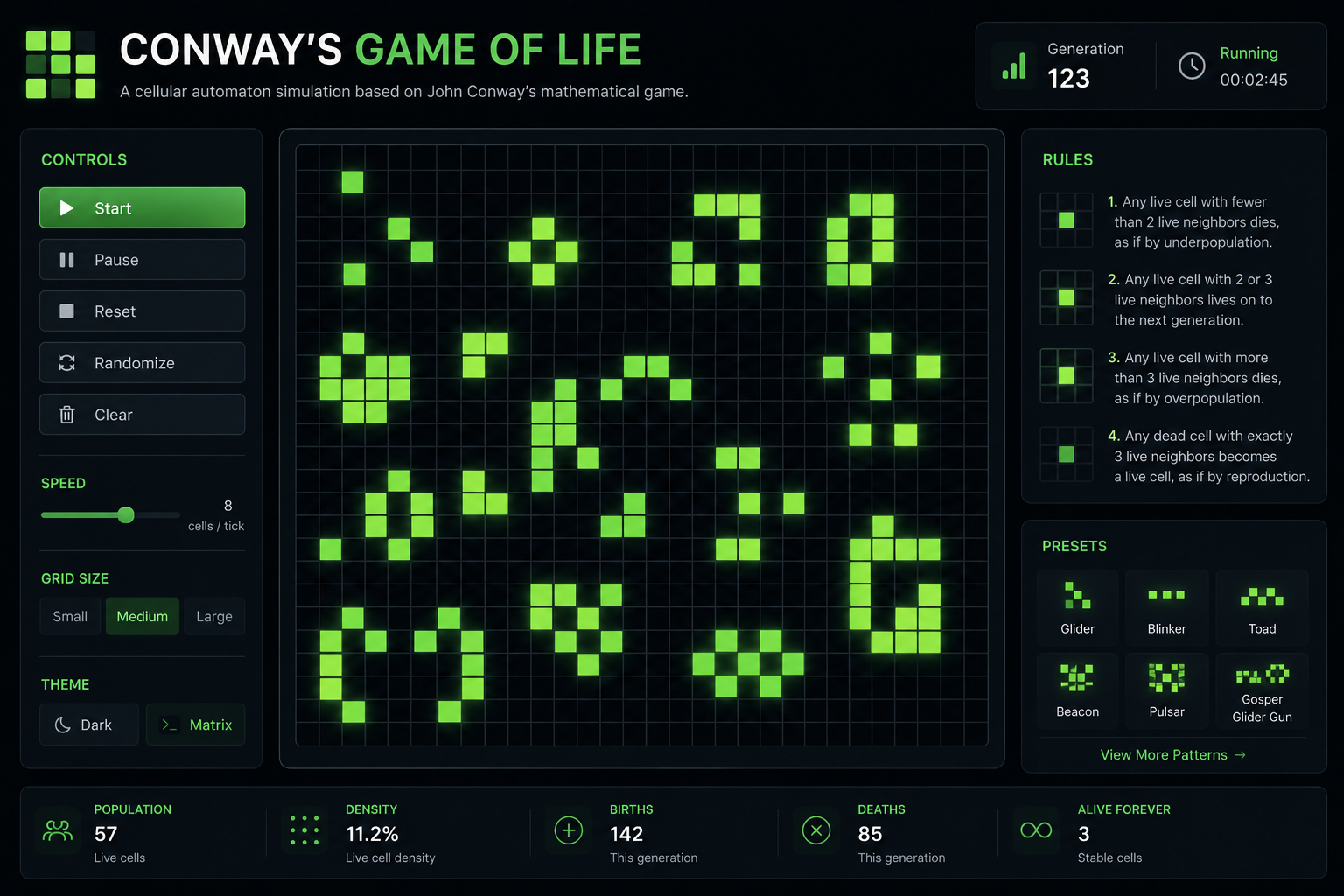
Interactive Pygame implementation of Conway's Game of Life with cell toggling, adjustable simulation speed, and save/load game state functionality.
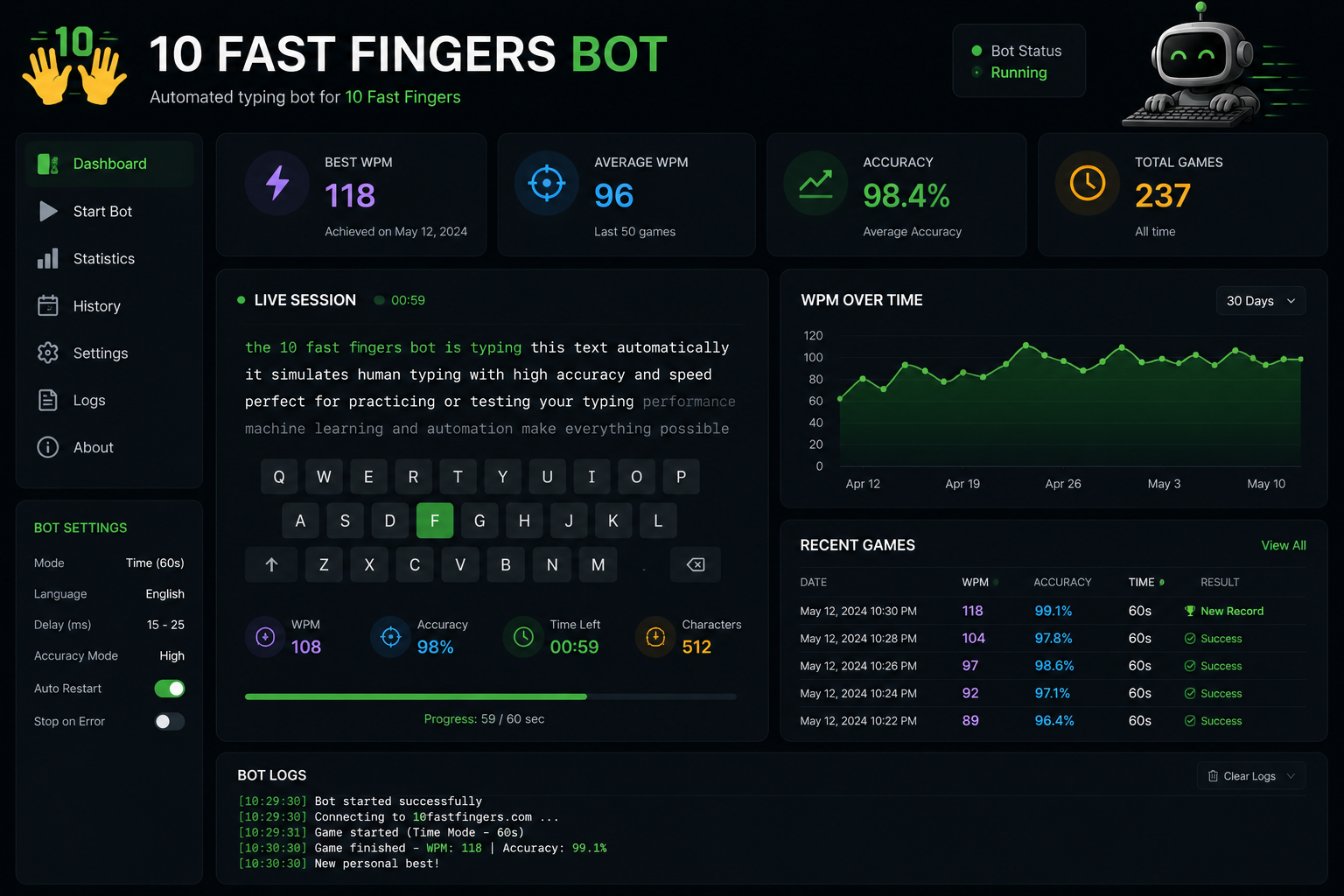
Typing game bot that uses OCR to read words from the screen and types them at a configurable words-per-second rate. Set your target WPM and watch it go.
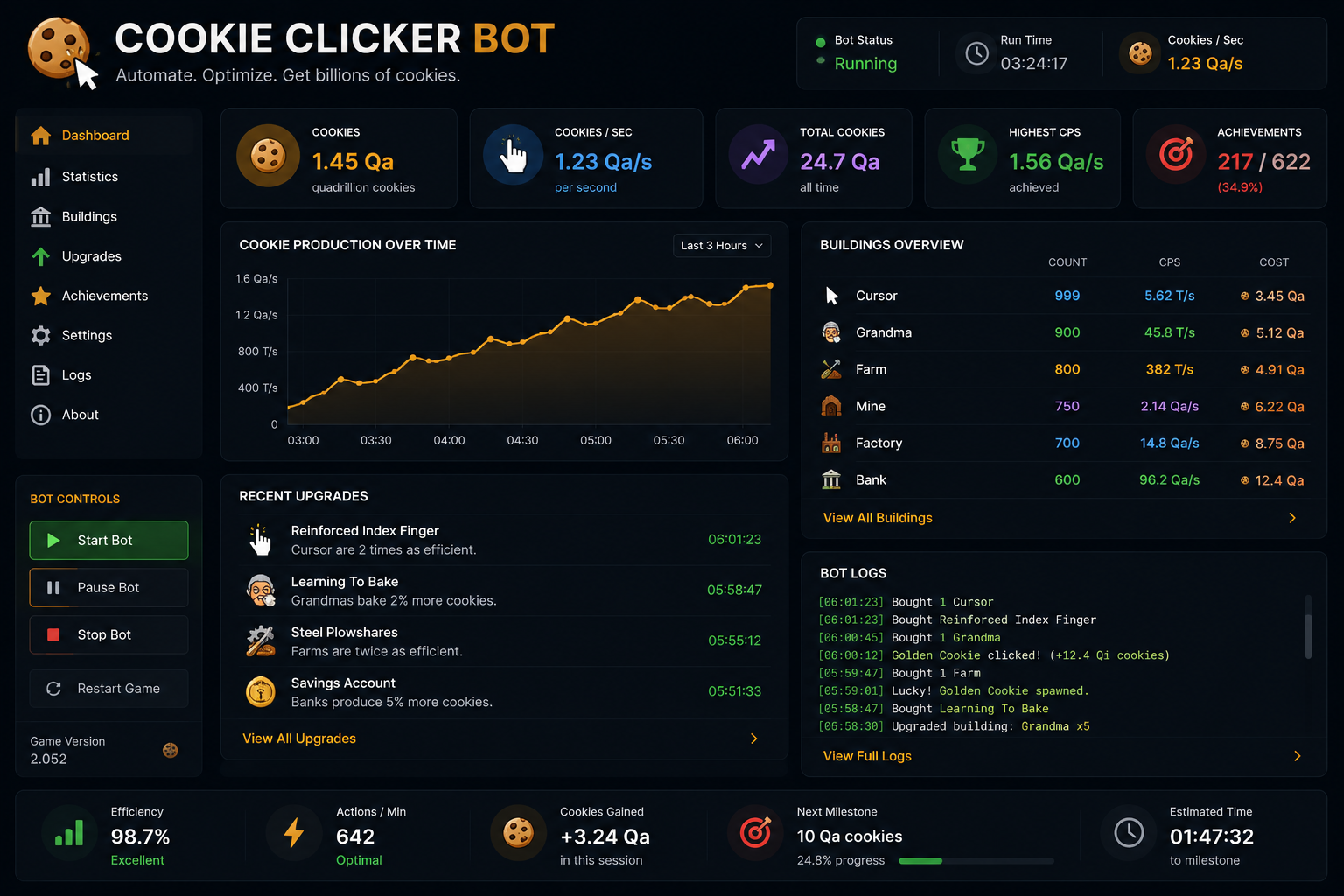
Automated bot that plays Cookie Clicker — clicks the cookie, calculates the most cost-efficient upgrades, and buys buffs automatically for optimal progression.
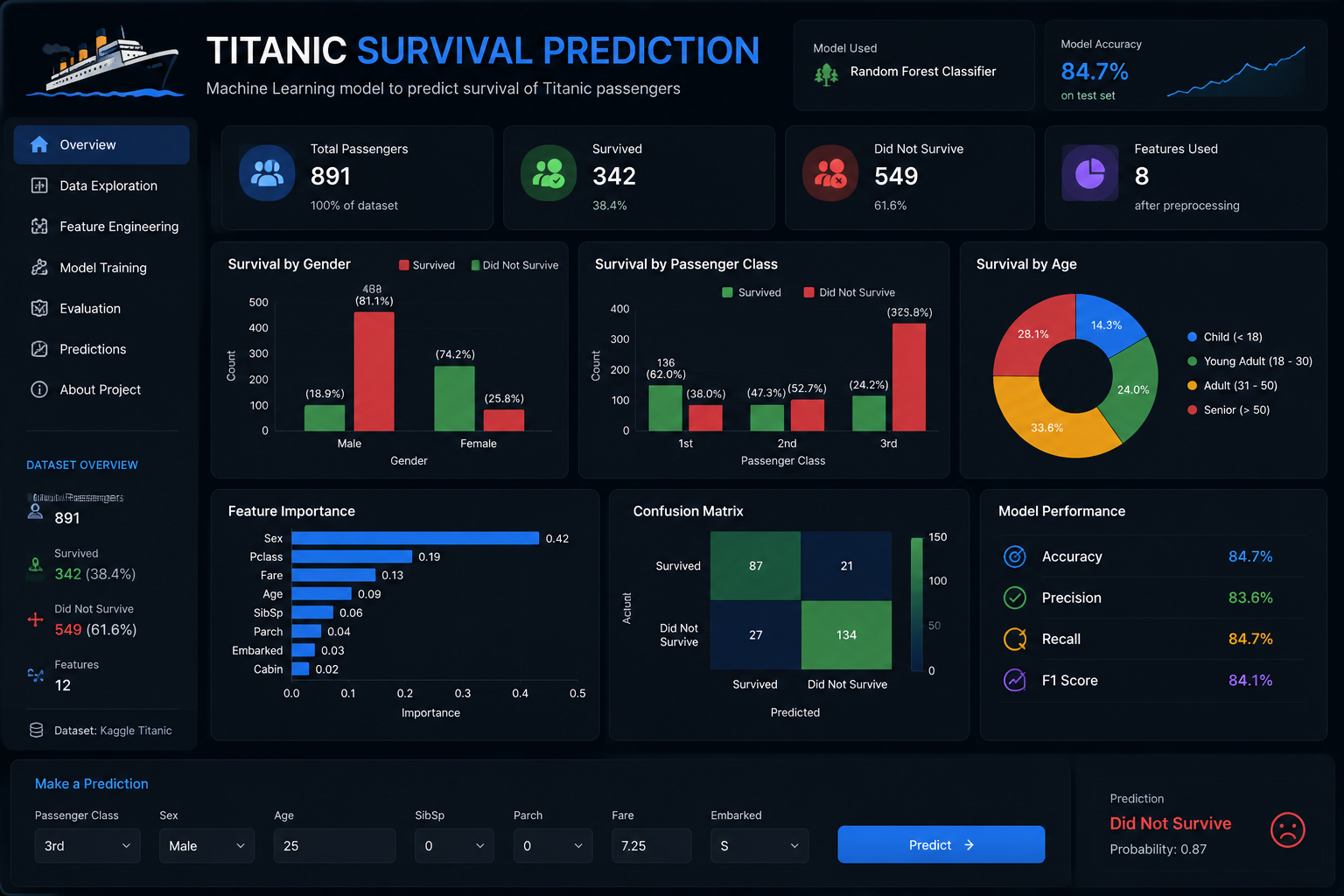
Kaggle classification project predicting passenger survival on the Titanic using feature engineering and scikit-learn models.
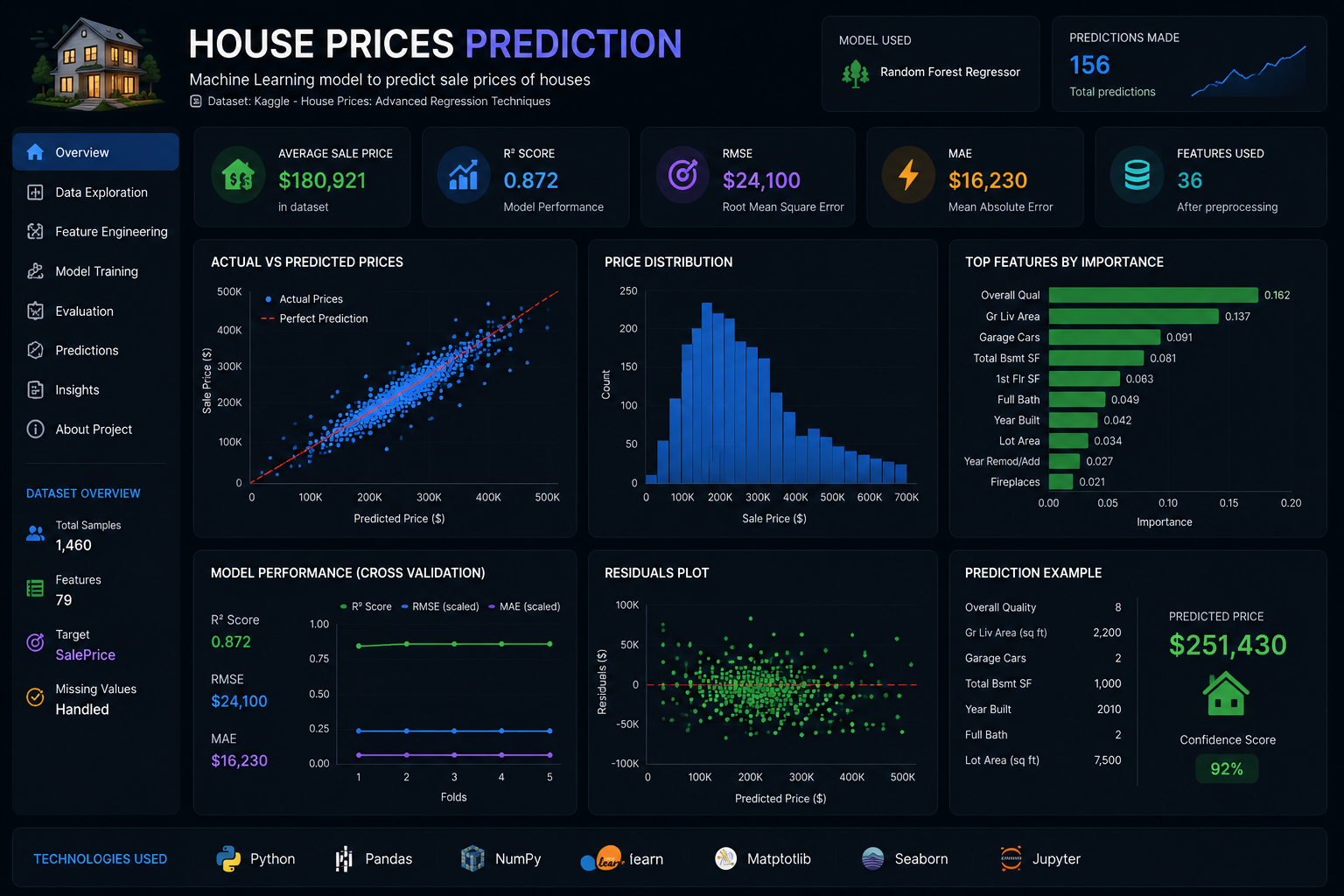
Kaggle regression project predicting house prices based on property features using scikit-learn with data preprocessing and feature selection.
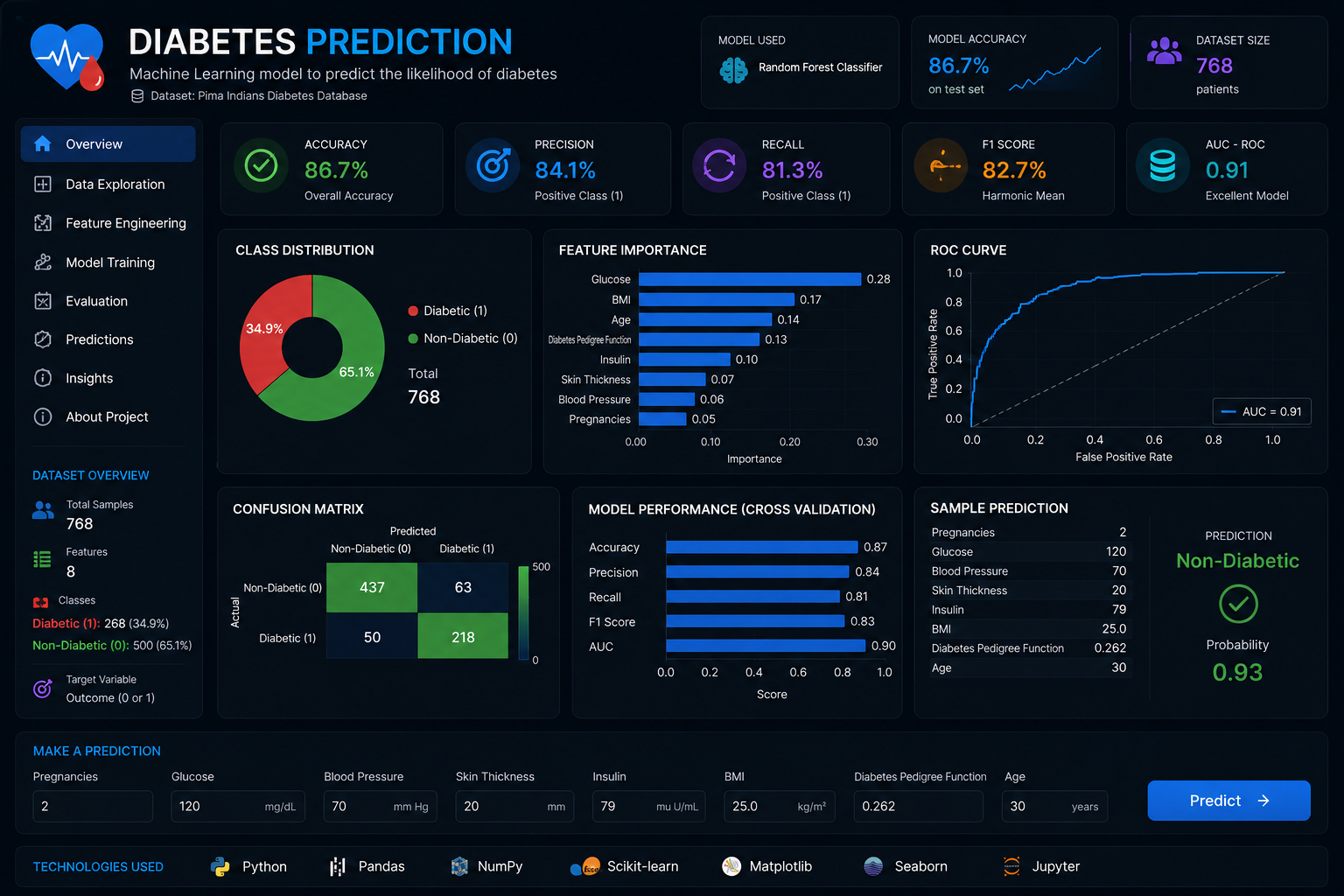
Classification model predicting diabetes based on clinical features (glucose, blood pressure, insulin, BMI, age) using scikit-learn.
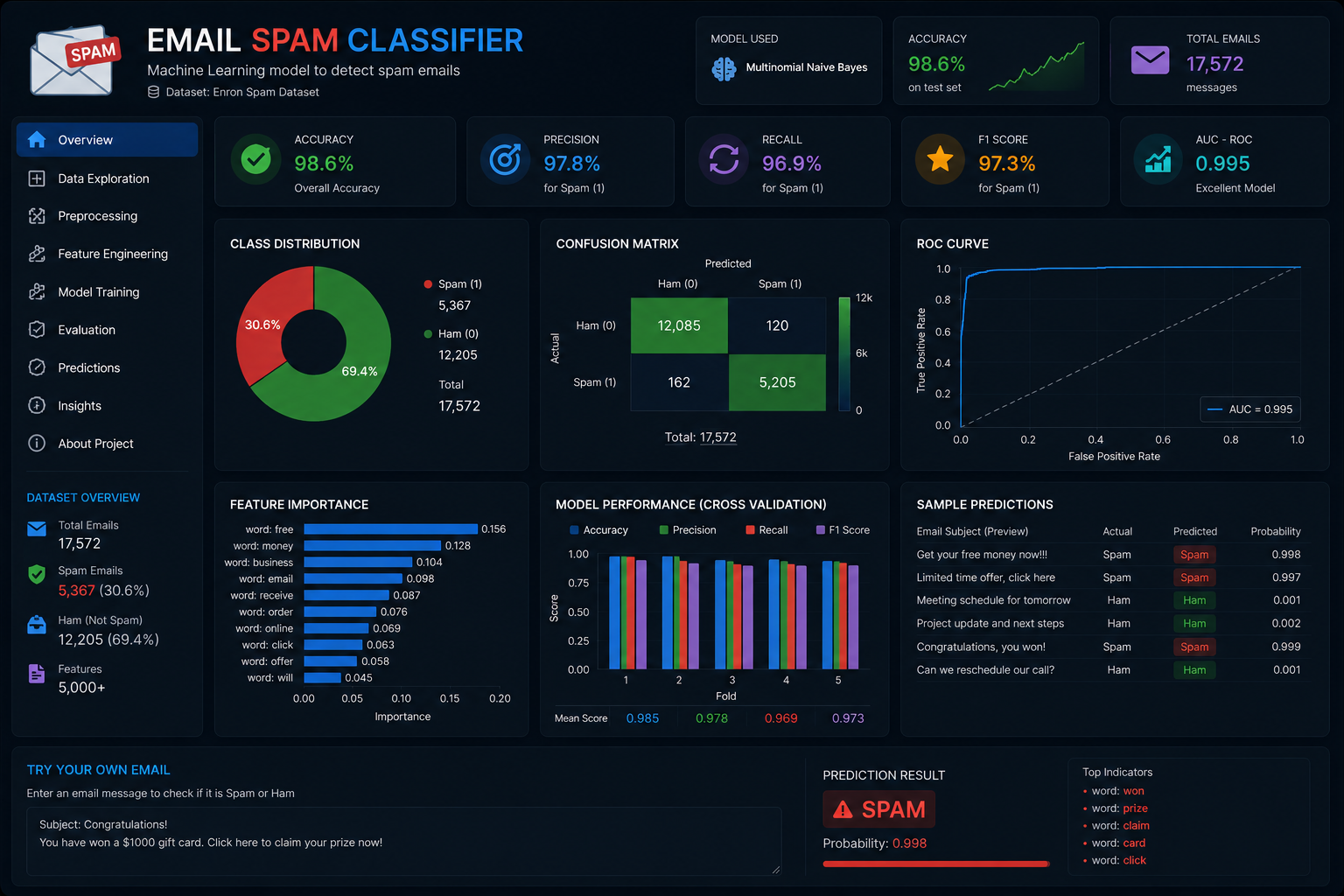
NLP classification model that detects spam emails using text preprocessing and scikit-learn classifiers.
This site — built from scratch with zero frameworks. Features an RPG game mode with a full explorable world, dark/light themes, 3D tilt cards, a command palette (Cmd+K), typing speed challenge, Matrix rain effect, and a Konami code easter egg. Because why not.
Solved a real BMW problem: filtering thousands of daily internal requests to classify relevance for implementation. Built a classification model for request relevance and a regression model to estimate financial impact. Delivered a working ML prototype in under 48 hours, recognized for technical robustness and business value.
Lebanon, 2019Built a recommender system leveraging a real grocery store dataset to suggest local substitutes for imported products. Delivered a prototype and demo video with a team of 4 (iOS, Android, Backend, AI), presenting a solution to improve Lebanon's food independence. Recognized for practical impact and scalability.
Remote, 2020Built a prototype platform enabling consumers to order directly from farmers, eliminating exploitative middlemen who inflated prices by 5–10x. Designed a delivery model where farmers set daily community pick-up points, reducing logistics complexity. Recognized for innovation and execution speed.
Remote, 2020Competed in 2 Hash Code and 2 Kick Start editions (2020–2021). Hash Code challenges included optimizing traffic light schedules to reduce city congestion, and maximizing scanned book value by selecting optimal library ordering under scanning constraints. Ranked 5th in Lebanon.
Remote, 2020–2021Software Engineering, Data Structures & Algorithms, Design Patterns, and Big Data.
Core curriculum in programming languages, mathematics, physics, and communication systems.
General science track with a strong emphasis on mathematics and scientific reasoning.
SIBGRAPI 2022 — 35th Conference on Graphics, Patterns and Images (IEEE)
Co-authored with NVIDIA and BMW Group. Introduced SORDI.AI — a synthetic dataset of 200,000+ photo-realistic annotated industrial images for object detection. Demonstrated that models trained on synthetic data achieve up to 99% accuracy on real-world industrial assets, validating synthetic-to-real transfer learning for warehouse and factory environments.
Technical articles on backend engineering, system design, and lessons from building at scale.
Whether it's a project idea, a hackathon team, or just a conversation about cycling routes in Europe — I'm always happy to connect.
Currently open to Senior Software Engineer and Backend Engineer roles in Europe (Luxembourg, Germany) or remote.